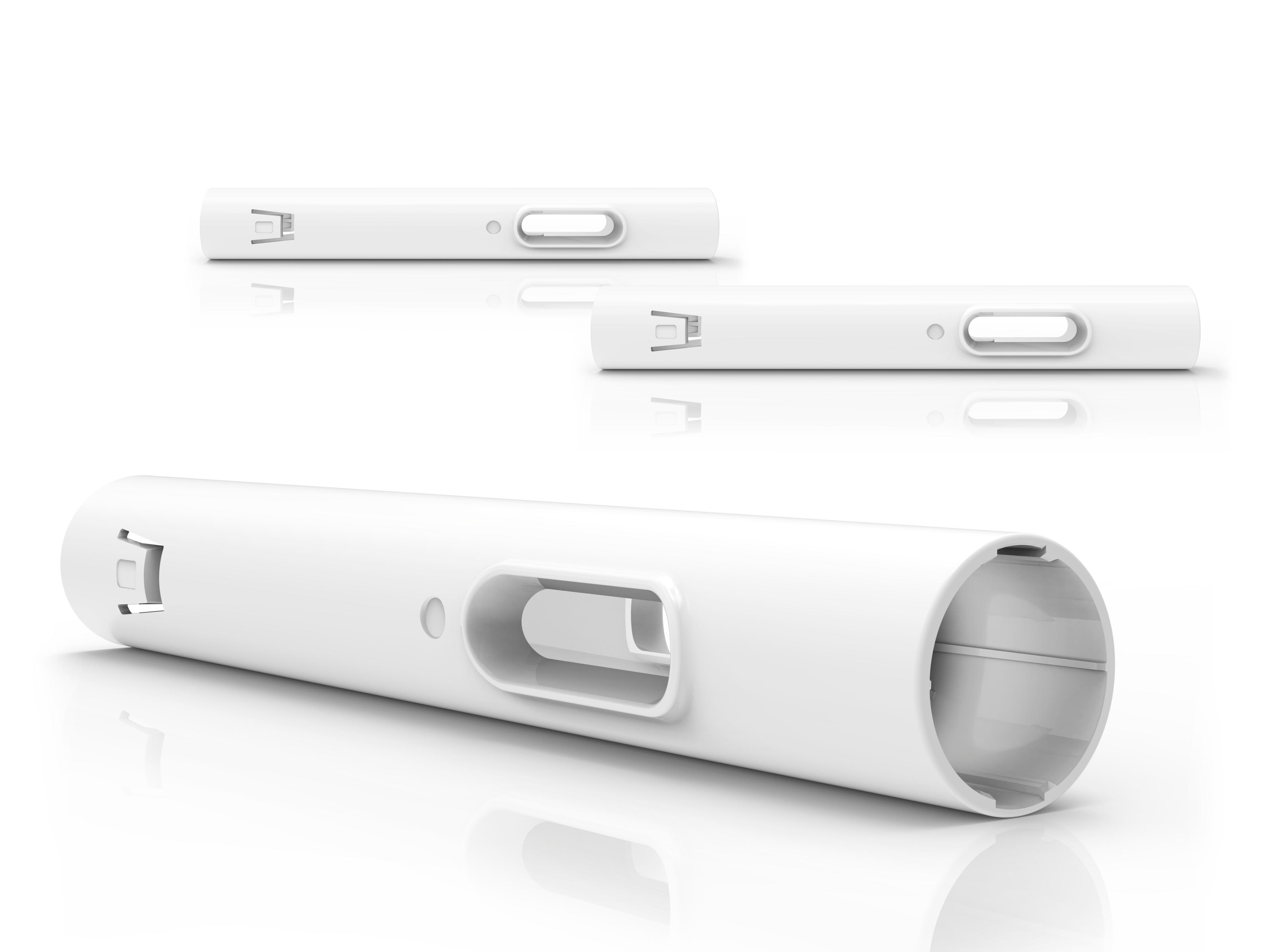
Z.SONIC turn tool concept for high-volume production of autoinjector housings takes center stage
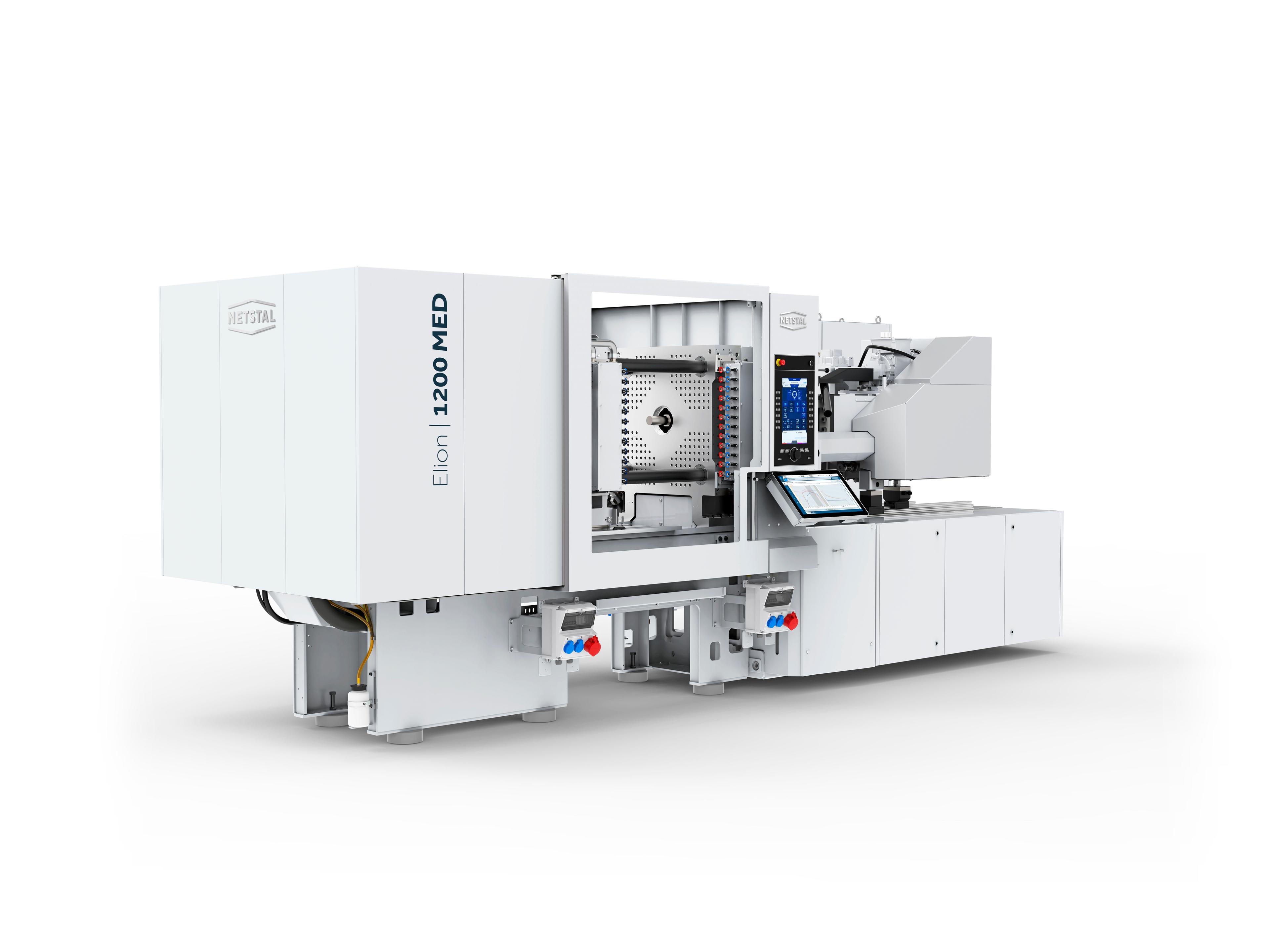
Pharmaceutical and medical device manufacturers are facing greater pressure than ever before. They must scale production capacities, reduce unit costs, and ensure the highest levels of process and product quality, all while navigating increasingly stringent regulatory requirements, limited cleanroom space, and a growing shortage of skilled labor. To address these challenges, ZAHORANSKY brings toolmaking,injection molding integration, and downstream automation together under one roof, positioning itself as a comprehensive solutions provider. From October 12 to 16, the company will showcase its Z.SONIC turn tool concept for the highly efficient production of pen injector and autoinjector housings at Fakuma 2026 in Friedrichshafen (Hall A2, Booth 2309). The solution was developed in collaboration with Netstal (Hall B3, Booth 3119).
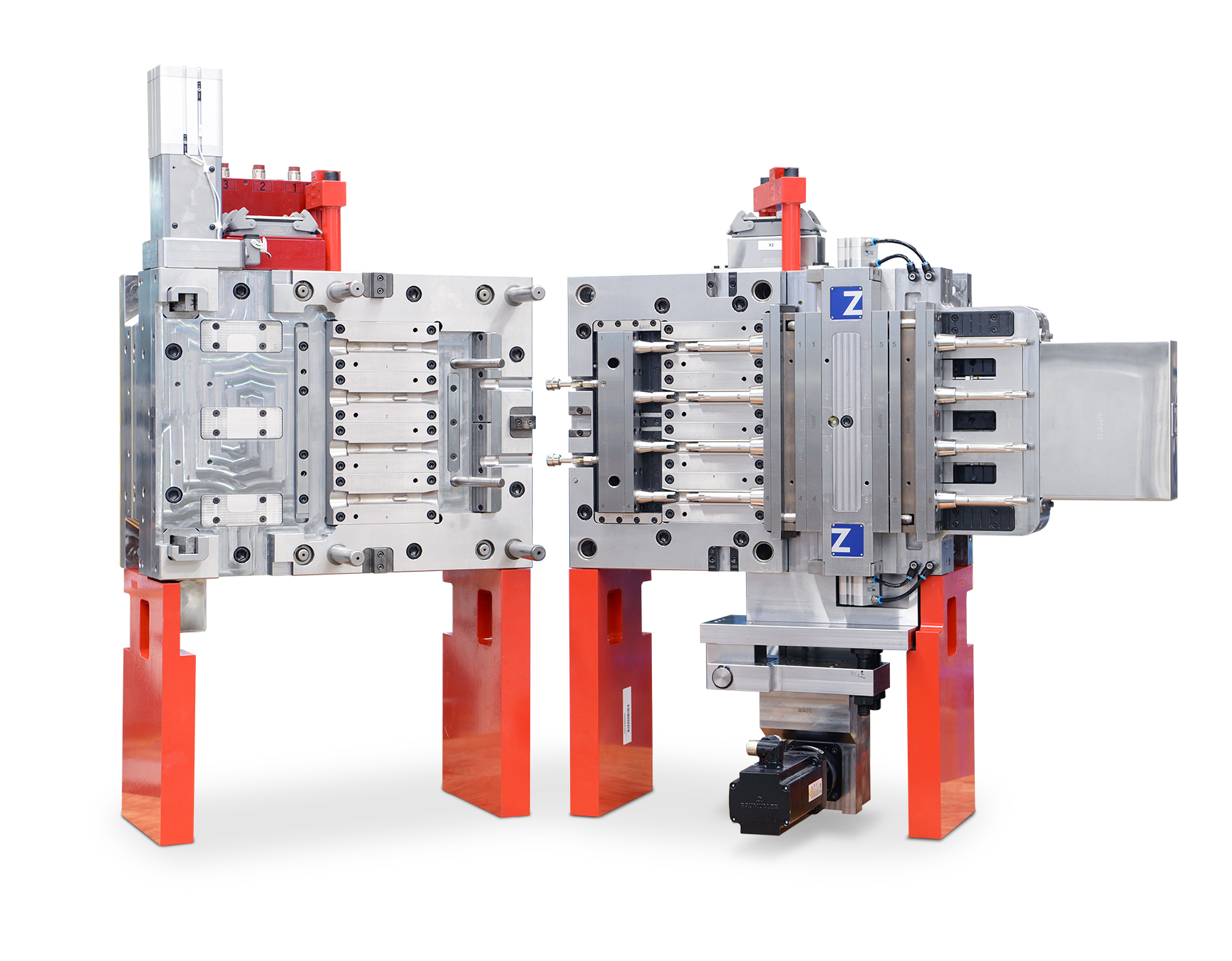
Demand for pen injectors and autoinjectors is growing rapidly, driven primarily by the boom in GLP-1 medications used for weight management and diabetes treatment. Manufacturers therefore need to expand production capacities quickly, but are typically constrained by existing cleanroom facilities. Rather than increasing productivity solely through additional cavities, which would require larger injection molds, ZAHORANSKY’s Z.SONIC turn concept focuses on maximizing efficiency in every production cycle. The Z.SONIC turn mold concept shifts the residual cooling of the produced parts outside from the mold. Using an advanced indexing plate with a servo-driven rotary unit, further cooling and demolding takes place outside the mold in parallel with the injection cycle.
Using a four-cavity mold, a cycle time of just 12 seconds was achieved, compared with 18 seconds for conventional lift-and-strip molds. Based on a sample calculation, annual output increases from approximately 8.5 million to more than 12.8 million parts, while unit costs are reduced by 23 percent. This results in a payback period of approximately nine months. At 3,500 kilograms,the mold is also around 1,000 kilograms lighter than a conventional counterpart and features a significantly more compact footprint, reducing both cleanroom space requirements and the energy needed for heating. In addition, 16-cavity and 32-cavity versions are already being prepared for large-scale production. Beyond the new tool concept, ZAHORANSKY has also consistently designed the entire production cell for compactness and process reliability. The automation is integrated directly at the injection molding machine: a six-axis robot handles safe part removal, followed by 100 percent camera inspection. The result is a highly compact,fully automated production cell offering high process reliability and a minimal footprint. At Fakuma, ZAHORANSKY will present this innovative tool concept in combination with Netstal’s fully electric Elion MED injection molding machine as a fully integrated manufacturing solution.